Benefits Of Buying Dubai Property For Residency
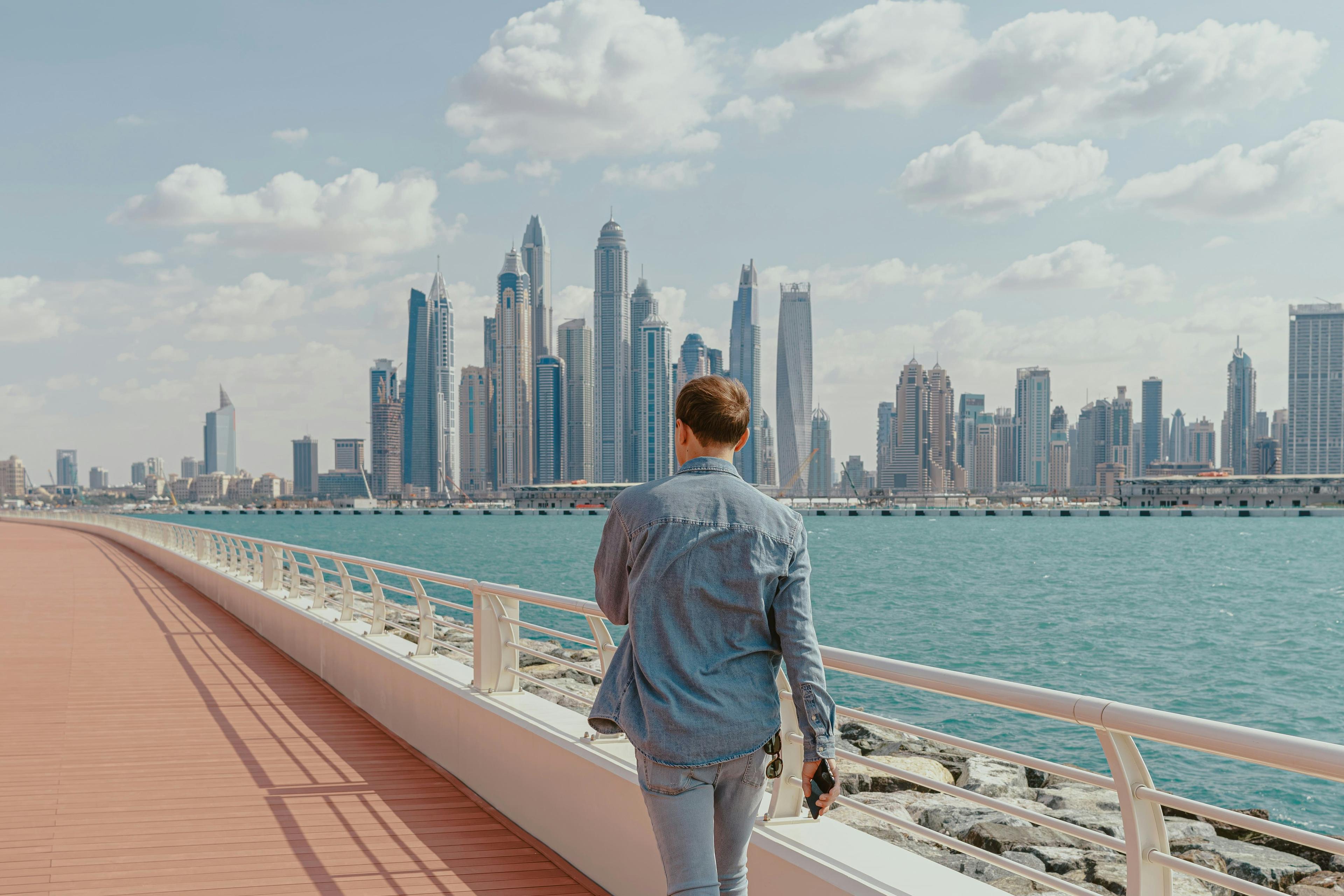
Benefits of Buying Dubai Property for Residency
Dubai has transformed from a regional business hub into one of the world’s most strategic residency destinations. For global investors, entrepreneurs, and families, buying property in Dubai is no longer just a real estate decision, it is a lifestyle and long-term security strategy.
With structured residency pathways linked directly to property ownership, the UAE has created one of the most investor-friendly immigration systems globally.
Here is why buying Dubai property for residency in 2026 makes both financial and strategic sense.
1. Long-Term UAE Residency Without Local Sponsorship
One of the biggest advantages of property investment in Dubai is access to long-term residency.
Investors purchasing property valued at AED 2 million or above may qualify for a 10-year renewable Golden Visa.
Key benefits include:
- No need for a local sponsor
- Full business ownership rights
- Freedom to live in the UAE long term
- Ability to travel in and out without residency cancellation concerns
Unlike traditional employment visas, investor residency provides stability and independence.
2. Strong Asset-Backed Immigration
Unlike many residency programs that require passive financial deposits, Dubai’s residency pathway is tied to tangible real estate assets.
This means:
- Your capital is invested in property, not locked in a bank
- You generate rental income while holding residency
- You benefit from potential capital appreciation
You are building wealth while securing residency, not simply paying for immigration rights.
3. Tax Efficiency
Dubai offers one of the most attractive tax environments globally.
Property investors benefit from:
- Zero personal income tax
- Zero capital gains tax
- No annual property tax
- No inheritance tax
For international investors, this provides both cash flow optimization and long-term estate planning advantages.
4. High Rental Yields Compared to Global Cities
Dubai continues to outperform many global markets in terms of rental returns.
Average gross rental yields in 2026 range between 5% and 7% in established communities.
Compared to:
- London: 2–4%
- New York: 3–4%
- Singapore: 2–3%
Dubai offers stronger income potential while also providing residency rights.
5. Access to a Stable, Dollar-Pegged Economy
The UAE Dirham is pegged to the US Dollar.
For international investors, this provides:
- Currency stability
- Reduced exchange rate risk
- Protection during global volatility
This makes Dubai particularly attractive for investors from emerging markets seeking financial stability.
6. Family Sponsorship Benefits
Property investors can sponsor:
- Spouse
- Children
- Parents (subject to conditions)
This allows families to relocate together and benefit from:
- World-class education
- Advanced healthcare infrastructure
- Safe living environment
Dubai consistently ranks among the safest cities globally.
7. Flexible Property Options: Off-Plan and Ready
Dubai allows residency eligibility through:
- Completed properties
- Off-plan properties (subject to conditions)
- Mortgaged properties
This flexibility allows investors to structure purchases according to:
- Cash flow strategy
- Capital appreciation goals
- Long-term holding plans
8. Global Connectivity and Lifestyle
Dubai is strategically located between Europe, Asia, and Africa.
Residents benefit from:
- Direct flights to over 240 destinations
- World-class airports
- Global business access
Combined with luxury lifestyle, modern infrastructure, and political stability, Dubai offers more than residency — it offers a global base.
9. Transparent Legal Framework
Dubai’s real estate sector is regulated by the Dubai Land Department (DLD) and RERA.
This ensures:
- Escrow protection for off-plan projects
- Transparent title registration
- Structured transaction processes
This level of regulation increases investor confidence.
10. Long-Term Capital Appreciation Potential
While 2026 is a stabilization year, Dubai’s long-term fundamentals remain strong:
- Population growth
- Infrastructure expansion
- Economic diversification
- Global investor inflows
Strategic communities with limited new supply continue to demonstrate resilience.
Who Should Consider Buying Dubai Property for Residency?
This strategy is ideal for:
- Entrepreneurs seeking business-friendly tax structures
- Families planning relocation
- Investors diversifying internationally
- Individuals seeking long-term lifestyle security
Final Thoughts
Buying Dubai property for residency is not just about securing a visa.
It is about combining:
- Wealth creation
- Tax efficiency
- Global mobility
- Family security
- Lifestyle elevation
In 2026, the opportunity remains strong, but structured guidance is critical to selecting the right property, meeting valuation thresholds, and aligning investment goals with residency requirements.
Ready to Explore Dubai Property Residency?
Consult with Cube Realty MENA to evaluate qualifying properties, understand current visa requirements, and structure your investment strategically.
FAQS
Q: Can I Get Dubai Residency If I Buy Property With a Mortgage?
Answer: Yes. As of 2026, Mortgaged Properties Fully Qualify for Dubai Residency. The UAE Removed Previous Down Payment Requirements, Meaning You Can Secure a 10-Year Golden Visa With Financed Real Estate Provided the Dubai Land Department Values Your Asset at Two Million Dirhams or Above. You Will Need a No-Objection Certificate From Your Bank, Proof of Mortgage Registration, and Confirmation That the Property Meets Valuation Thresholds. Emirates NBD, First Abu Dhabi Bank, and Abu Dhabi Commercial Bank Have Dedicated Teams to Support Investor Visa Documentation.
Q: Does Off-Plan Property Qualify for UAE Golden Visa?
Answer: Yes. Off-Plan Properties Explicitly Qualify for UAE Golden Visa Status in 2026. You Can Apply for Residency While Your Building Is Under Construction, Provided the Developer Is RERA-Registered and the Project Has Reached Typical Construction Milestones of 20 to 30 Percent Completion. Required Documentation Includes Your Sales Purchase Agreement, Oqood Initial Registration Certificate, Payment Receipts Showing You Meet the Two Million Dirham Threshold, and Developer No-Objection Confirmation. This Allows You to Lock in Developer Pricing and Secure Immediate Residency Without Waiting for Handover.
Q: Who Can I Sponsor With Dubai Property Residency?
Answer: Dubai Property Residency Offers Generous Family Sponsorship Rights. You Can Immediately Sponsor Your Spouse With Full Work Permit Eligibility, Children (Sons Until Age Twenty-One, Daughters Unlimited Age if Unmarried), and Parents With Proof of Relationship and Minimum Income Requirements. Unlike Employment Visas, Your Family Status Does Not Depend on Employer Cooperation. Golden Visa Holders Also Receive the Esaad Privilege Card, Providing Discounts on Healthcare, Education, and Retail for All Sponsored Family Members Throughout the UAE.
Q: What Tax Benefits Do Dubai Property Owners Receive?
Answer: Dubai Property Owners Receive Substantial Tax Benefits Including Zero Personal Income Tax, Zero Capital Gains Tax on Property Appreciation, and Zero Inheritance or Estate Tax. Rental Income Is Tax-Free, Though You Will Pay Annual Service Charges (Typically 10-25 Dirhams Per Square Foot) and Optional Property Management Fees of 5-10 Percent. For International Investors, This Represents Significant Savings Compared to Typical Western Tax Rates of 20-45 Percent on Income and 15-28 Percent on Capital Gains. The UAE Also Has No Wealth Taxes or Property Taxes Based on Ownership Duration.
Q: How Long Does It Take to Get Residency After Buying Property in Dubai?
Answer: The Process From Property Purchase to Residency Activation Typically Takes Six to Ten Weeks. This Includes One to Two Weeks for Property Selection and DLD Valuation Verification, Two to Four Weeks for Purchase Completion and Documentation Gathering, Two to Three Weeks for Digital Application Submission Through the DLD Investor Portal, and One Week for Medical Testing, Biometrics, and Emirates ID Issuance. You Must Be Physically Present in the UAE for Approximately Seven Working Days (Solo) or Ten to Twelve Working Days (With Family) During the Final Phase. Working With Experienced Advisors Can Prevent Documentation Delays That Extend Timelines.
Keep reading
All posts
DAMAC Buy Property Get Luxury Car Offer UAE 2026: Full Investment Guide
The DAMAC buy property get luxury car offer in the UAE has become one of the most talked-about real estate promotions in 2026. Designed to attract both local and international investors, this campaign combines high-value property investment with exclusive lifestyle incentives. If you are planning to invest in Dubai real estate, understanding how this offer works, its benefits, and whether it’s truly worth it can help you make a smarter and more profitable decision.
Dubai Real Estate Investment 2026: Best Areas, High ROI & Smart Opportunities
Dubai real estate investment in 2026 is emerging as one of the most attractive opportunities for global investors seeking high rental yields, tax-free income, and long-term capital appreciation. With strong demand for off-plan properties, luxury developments, and investor-friendly policies like the UAE Golden Visa, Dubai continues to outperform major global markets. Whether you are exploring property investment opportunities or searching for the best areas to invest in Dubai, this guide will help you make a confident and profitable decision.
Eid ul-Fitr Dubai 2026: Your Complete Guide to Celebrating & Investing in the UAE
Eid ul-Fitr Dubai 2026 marks one of the most anticipated celebrations in the UAE, expected on Friday, March 20, 2026. As families across Dubai prepare for festive gatherings, shopping, and traditions, experienced investors recognize Eid ul-Fitr Dubai 2026 as a strategic window for real estate opportunities.